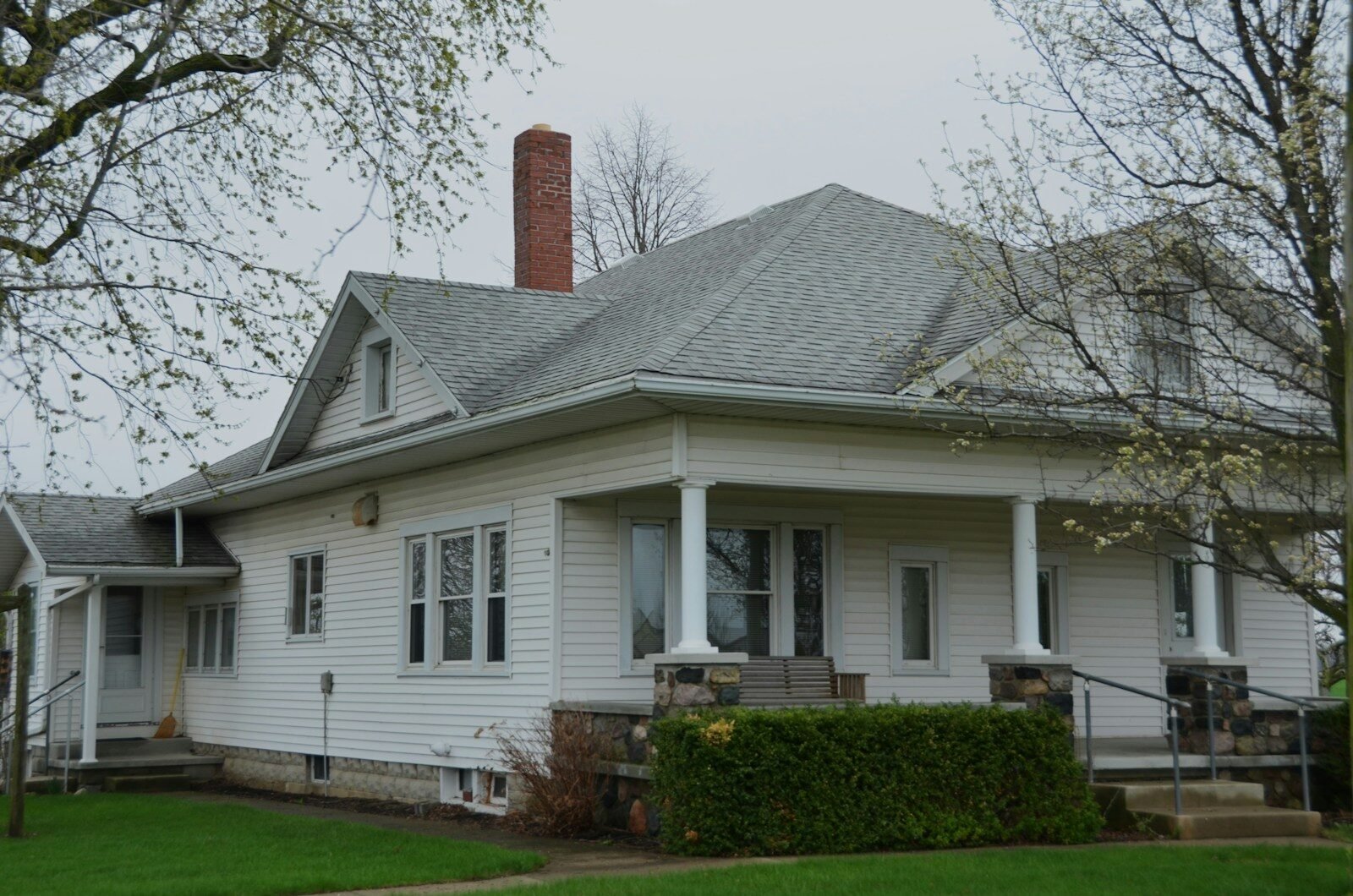
Modular homes have undergone dramatic change over the past decade, evolving beyond being prefabricated boxes on rural lots to include architect-designed courtyard houses, longhouse configurations, multi-module assemblies and kit home systems that deliver truly impressive living spaces in far less time than conventional construction methods.
Homers modular captures this new trend of modular living. It refers to production-built homes which combine thoughtful design, factory precision and faster delivery timelines than site-built construction. If you are exploring modular architecture – be it floor plans, prices or traditional versus modular building options – this guide contains all of the information needed for making an informed decision.
What Are Modular Homes?
A modular home is constructed in sections, or modules, inside of a controlled factory environment. Each module is completely framed, insulated, wired and plumbed before leaving the factory for transportation to its building site, where they will be set on prepared foundations before finally joining together to form one whole house with final connections completed on site for utilities, finishing touches and exterior cladding completed afterwards.
Modular construction stands out from both site-built construction, where everything is assembled on-site from ground-up, and manufactured homes which must adhere to certain federal standards but may not have permanent foundations. Its hallmark lies in this factory-first approach which separates these homes from others built from scratch on sites or manufactured homes which often don’t.
Modular homes are constructed according to local building codes just like site-built homes, requiring permits, inspections and foundation work just like their counterparts. Furthermore, conventional mortgage financing options can be utilized and they qualify for taxation and assessment just like any permanently located residence.
Factory production environments offer several practical advantages over field assembly environments, including no delays caused by weather or moisture damage during construction, precise cutting to reduce material waste, controlled inventory management systems and quality inspections taking place before modules leave the factory, making corrections more straightforward than after they’re assembled on-site.
Homers Modular Floor Plans: Types and Configurations
Modern modular homes come in various configurations. Being familiar with their main types will help you identify which option best meets your site, lifestyle and budget needs.
Single Module Homes
Single Module Homes Single module homes offer the simplest modular configuration, featuring just a single living module to form the entirety of living space. Ideal for smaller sites, secondary dwellings, guest houses and buyers prioritizing economy over space considerations; floor plans typically range from one to two bedrooms with open plan living areas.
Single module homes are the fastest to produce and deliver. Everything arrives all at once for quick setup on site – making these homes an excellent choice for buyers seeking a complete living environment at minimal costs and timelines.
Longhouse Designs
A longhouse configuration stacks multiple modules end-to-end in a linear arrangement to form a home with an extended, narrow footprint.
Longhouse kit homes are a popular option within this category. Typically coming as pre-engineered packages with all necessary structural components to assemble on site and create the longhouse layout, a kit approach gives buyers more involvement while still benefiting from factory precision structural and envelope components.
Longhouse floor plans often divide private and social areas into distinct sections, with bedrooms at one end, living areas on the other, and a central kitchen and utility zone between. This arrangement works particularly well for families as well as people working remotely who require clear distinction between private and social areas.
Courtyard House Configurations
Courtyard houses feature multiple modules arranged around an outdoor space for easy living and privacy from outsiders. A courtyard home becomes the focal point of its home while providing interior spaces access.
Courtyard modular homes can be more complicated to design and construct than their linear counterparts, requiring more consideration of site planning to ensure light and shelter are maximized within their courtyard orientation. They are among the most architecturally engaging configurations available within modular category, creating homes that look quite distinct from conventional modular boxes.
Buyers with wider lots who enjoy indoor-outdoor living should consider modular courtyard house designs for greater architectural charm at significantly reduced costs than site-built custom homes.
Multi-Story Modular Homes
Modular construction lends itself beautifully to two-story modular homes. Upper floor modules can be assembled at the factory stage and connected on site during setting process, creating maximum living space on a limited footprint; popular examples of two-story modulars being found are urban infill sites or narrow lots where site coverage may be restricted.
Multiple-story modular homes pose additional structural design challenges than single-story models, requiring greater consideration when connecting modules in stacks. Factory quality control at these connections showcases modular construction’s superiority over site-built framing construction.
Homers Modular Prices: What Does Modular Construction Cost?
Understanding all costs involved in modular home pricing is an integral component to successful projects, avoiding one of the most frequent budgeting errors in modular projects.
Module Cost
Factory-built module costs are an integral component of modular home pricing, covering design, engineering, factory production and delivery to the site. Prices can vary considerably based on manufacturer, complexity of design, size and specifications level of home purchased.
Entry-level modular homes with basic specifications typically start from $100 to $150 per square foot for module costs alone. Mid-range modular homes with better finishes, more complex floor plans, and higher specification systems usually run $150 to $250 per square foot while premium modular homes featuring architect-designed floor plans, high-end finishes and advanced systems typically range between $250 and $400 per square foot.
These figures represent module costs only; when all site work and completion costs are included, total project expenses will likely exceed these estimates significantly.
Site Work and Foundation
A modular home foundation project’s costs vary significantly – for example, installing a concrete slab on an accessible lot costs much less than creating a full basement with pier-and-beam foundation for sloped or difficult-to-access sites.
Site work such as land clearing, grading, driveway construction and utility connections add additional costs to any project. On a well-prepared flat lot with existing utilities and foundation requirements in place, site preparation could add $30,000-60,000 in site work costs; for challenging rural or sloped sites this figure may reach as much as $80-150,000 or even higher.
On-Site Completion
Once the modules are assembled on their foundations, on-site completion work usually involves utility connections, exterior finishing, decks and steps construction or repair, interior touch up work and landscaping services. Typically this phase adds $20,000 – $50,000 to your project depending on its complexity and specifications of finishes.
Total Cost Summary
| Component | Typical Range |
|---|---|
| Module cost (factory) | $100 to $400+ per sq ft |
| Foundation and site work | $30,000 to $150,000+ |
| On-site completion | $20,000 to $50,000 |
| Land (if purchasing) | Market dependent |
| Total project (excl. land) | $150,000 to $600,000+ |
The variety of modular home projects reflects their true diversity – from a straightforward single-module rural dwelling to complex multi-module courtyard homes on challenging urban sites.
Modular Homes vs Site-Built Homes: Key Differences
Understanding how modular homes compare with conventional construction can help you determine whether modular is an appropriate option for your project.
Construction Timeline
Construction Timeline Time is another compelling advantage of modular home building. A moderately complex site-built home typically takes twelve to 18 months from groundbreaking to move-in; weather delays, subcontractor scheduling issues and supply chain challenges could add months or more of construction. This timeline may vary considerably between modular homes.
Modular home projects typically reach completion within three to six months from when production began, though some manufacturers market timelines as short as three months for simple single-module designs on ready sites. This compressed schedule decreases financing carry costs, rental periods and the uncertainties that accompany extended construction schedules.
Build Quality
Factory production provides several advantages over site-built construction in terms of quality control: no lumber is exposed to rain; insulation installation can be checked before wall closure, and structural connections can be made under controlled conditions rather than cold or wet weather.
However, modular construction quality varies as much as site-built homes do. Top modular manufacturers often produce homes that surpass typical site-built quality; budget manufacturers typically produce homes at prices appropriate to their price points. It is best to research each specific manufacturer’s quality standards rather than assume all modular homes are equal.
Design Flexibility
Site-built custom construction provides maximum design flexibility. A skilled architect and builder can create almost any form on any site. Modular construction operates within certain constraints set by factories’ production capabilities, transport width limits and structural requirements of module connections between modules.
Recently, these restrictions have significantly lessened. Modern modular manufacturers now provide truly diverse floor plans such as courtyard and longhouse layouts; however if your design requirements are particularly specific or unique, site-built may still be more suitable.
Resale Value
Modular homes built to local building codes and placed on permanent foundations generally sell and appraise similarly to site-built homes, so the modular construction method doesn’t significantly change their resale value; what determines it are factors like location, condition, size and market dynamics which influence all homes equally.
Modular construction’s historical stigma has substantially decreased as quality and design sophistication of modular homes has advanced.
New Generation Modular Homes: What Has Changed
2026’s modular home is far different from that of 20 years prior; various developments have greatly altered the market.
Design quality. Architects and designers have taken an interest in modular construction as a design medium rather than as an afterthought, creating modular floor plans with genuine spatial quality, thoughtful material choices, and architectural character – something previous generations of modular homes rarely managed to achieve.
Sustainability performance. Factory production substantially decreases material waste. Many modern modular manufacturers design their homes to meet or surpass passive house energy performance standards with factory insulation, triple pane glazing and heat recovery ventilation systems integrated at production stage.
Digital integration. Modern modular homes feature integrated smart home systems, high-speed network infrastructure and energy monitoring that is built in from the factory rather than added afterthoughts – this makes for more consistent and reliable system installations than those done on busy construction sites.
Speed. As manufacturers have refined their processes, production timelines have shrunk further. Once unattainable three month timelines can now be met for straightforward projects with prepared sites.
Kit Homes and Modular: Understanding the Difference
Understanding the differences between kit homes and modular homes will allow you to shop the market that best fits your needs.
Kit homes are assembled on-site from prefabricated components shipped directly to a building site for assembly. Components arrive flat-packed or in sections for ease of transport and assembly takes place entirely on-site, meaning even an inexperienced owner-builder could assemble one with assistance from others. While kit homes offer lower factory costs than conventional construction methods, this approach requires more on-site labor and project management to successfully construct.
Modular homes arrive as prefabricated three-dimensional modules that have been completed at the factory and require only minimal assembly work on-site, such as setting, joining and final finishing. While modular homes cost more from the factory than kit homes do, on-site work and expertise requirements tend to be significantly less.
Kit homes provide numerous advantages to buyers who value maximum participation and access to skilled labor; on the other hand, fully modular approaches provide greater speed, certainty, and reduced on-site complexity.
Is a Modular Home Right for You?
Modular construction is ideal for buyers who prioritize speed, factory quality, sustainability performance and predictable project costs. It lends itself well to sites where access is accessible and foundations can be set efficiently; additionally it works well when buyers can select from existing floor plans rather than require extensive custom design services.
Modular construction may not be ideal for highly irregular or difficult-to-access sites where transporting large modules presents logistical issues, and may not meet buyers with very specific or unique design specifications that cannot be accommodated within manufacturer production capabilities.
Researching specific manufacturers rather than researching modular construction generally is essential when assessing modular homes. Quality, design range, price range, timeline and warranty can vary widely across the market; visit completed projects; speak to owners; get references from buyers who have lived there at least two years; etc.
For more guidance on real estate decisions, property evaluation, and home buying across different construction types, the real estate section at Home Narratives provides practical, honest advice for buyers at every stage.
The Modular Home Builders Association provides consumer resources on modular construction standards, manufacturer accreditation, and the buying process for modular homes across the United States.
Frequently Asked Questions
What is a modular home and how does it differ from a manufactured home?
Modular homes qualify for conventional mortgage financing and taxing authorities generally assess them as real property whereas manufactured homes may differ significantly in how lenders and taxing authorities treat them.
How long does it take to build a modular home?
From factory production to move-in, a typical modular home project typically takes three to six months from its inception. This includes four to ten weeks of factory production depending on complexity, transportation and setting, as well as on-site completion work. However, from initial design approval through final move-in can take six-12 months due to design approval, engineering review approvals and site preparation activities that precede factory production.
Are modular homes a good investment?
Modular homes on permanent foundations in desirable communities appreciate at rates comparable to site-built properties. Construction method does not inherently limit appreciation; location, condition and local market dynamics drive value similarly for all homes. A well-specified modular home in such a prime locale represents a sound long-term investment.
What floor plan types are available in modular homes?
Modern modular home manufacturers provide an expansive range of floor plan configurations. Single module compact designs are best suited to smaller sites or secondary dwellings; longhouse configurations create linear floor plans ideal for narrow lots; courtyard house designs use multiple modules arranged around an outdoor space to form courtyard homes; multi-story modular homes can maximize space on small footprints while most manufacturers also offer some level of customization within their standard range of floor plans.
How much does a modular home cost in total?
Total modular home project costs depend heavily upon factors like size, specification, site conditions and location. A basic single-module home on an unprepared site might run between $150,000 to $250,000 inclusive of foundation and completion. A mid-range multi-module home with good specifications might range between $300,000 and $500,000 before land costs; premium architect-designed modulars on complex sites may exceed $600,00 The module price alone does not account for everything: foundation work and completion add significantly to overall costs.
Modular homes today represent an appealing alternative to site-built construction for many buyers and sites. Thanks to factory precision, faster timelines, improved design quality and impressive sustainability performance, modular construction has evolved significantly in recent years. However, like any major decision in construction projects: it requires thorough research of each manufacturer prior to making your commitment; understanding full cost implications before signing an agreement; matching floor plan configuration to site conditions and lifestyle needs are keys for success in modular home projects.
What drives your interest in modular construction – speed, cost, sustainability or design? Your answer to that question usually determines which modular home and manufacturer deserve your special consideration.
Article written for Home Narratives — practical guidance for better living spaces.