I still remember the day we replaced the old carpeted stairs in our family home. The treads were worn, the risers creaked with every step, and the whole structure felt dated. We stood in the living room staring at samples of oak, steel, and even glass, trying to picture how each would look and perform for the next 20 years. The wrong choice would mean noise, high maintenance, or safety issues. The right one would add beauty, durability, and value.
That experience taught me a clear lesson: the best staircase material depends on your home’s style, budget, foot traffic, and local building codes — not just what looks good in photos. Many homeowners rush into trendy floating or glass designs only to regret the cost, noise, or upkeep later.
In 2026, popular choices include warm hardwoods for classic appeal, sleek metal for modern minimalism, durable concrete for strength, and tempered glass for light and openness. Prefab options make installation faster and more affordable than ever.
In this comprehensive guide you will discover the main staircase types, common materials with honest pros and cons, what stair treads and risers are, standard dimensions, the 27 rule for stairs, and how to pick the right material for your situation. I share real examples from homes I have seen or helped with, common mistakes, and practical steps you can follow today.
By the end you will feel confident choosing a staircase that looks beautiful, meets safety standards, and serves your family comfortably for decades.
Common Types of Staircases Homeowners Should Know
Before choosing materials, understand the basic staircase types. The shape affects cost, space needs, and material suitability.
Straight Staircase — The simplest and most affordable. One linear flight. Works well with almost any material but can feel long in tall homes.
L-Shaped (Quarter-Turn) Staircase — Features a 90-degree turn with a landing or winders. Saves space and adds visual interest. Popular in suburban homes.
U-Shaped (Switchback or Half-Turn) — Two parallel flights with a 180-degree landing. Compact and common in multi-story houses.
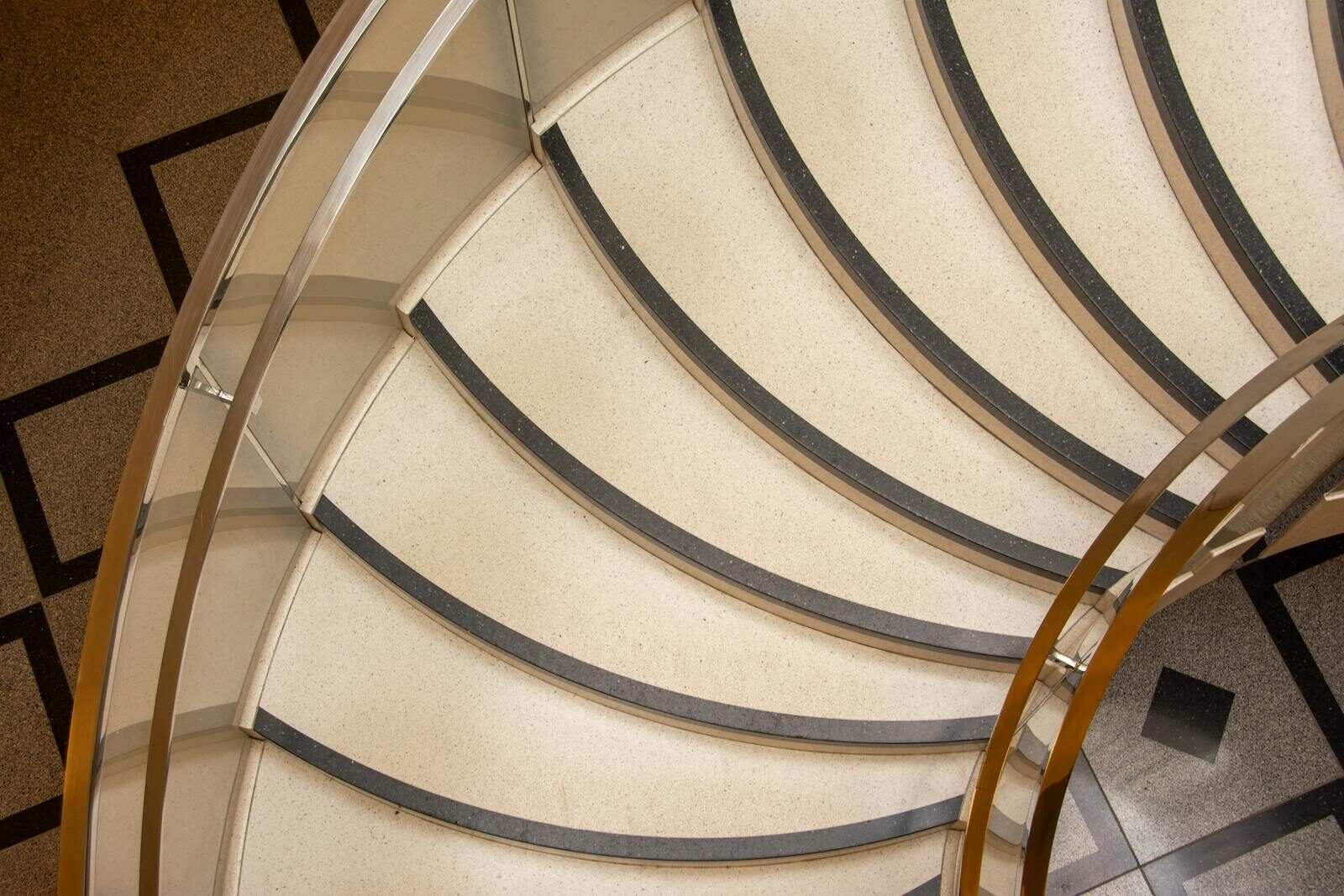
Spiral or Helical Staircase — Twists around a central pole or open core. Great for small spaces but harder to climb with furniture or for older adults.
Floating or Cantilever Staircase — Treads appear to “float” from the wall with hidden support. Modern favorite that pairs beautifully with wood, metal, or glass but requires strong structural engineering.
Curved or Circular Staircase — Elegant sweeping design. More expensive and complex to build.
Winder Staircase — Uses pie-shaped steps to turn without a full landing. Space-efficient but needs careful tread depth for safety.
Straight and L-shaped designs remain the most practical for most families in the US, Canada, and EU.
What Are Stair Treads and Risers?
Stair treads are the horizontal surfaces you step on. Risers are the vertical boards (or open space) between treads.
Together they determine comfort and safety. Standard residential dimensions in 2026 generally follow these guidelines:
- Maximum riser height: 7 to 7.75 inches (varies slightly by local code)
- Minimum tread depth: 10 to 11 inches
Consistency matters most. The difference between any two risers or treads in one flight should not exceed 3/8 inch. Uneven steps cause trips.
The 27 Rule for Stairs (also called the comfort rule): Many builders aim for 2 × riser height + tread depth = 24 to 27 inches. This formula helps create stairs that feel natural to climb and descend without strain.
Always check your local building code (IRC in the US, NBC in Canada, or equivalent in the EU) before finalizing plans. Safety comes first.
Main Staircase Material Options in 2026
Here are the primary materials for treads, stringers, and railings:
Wood Timber remains the warmest and most popular choice. Oak, maple, cherry, and walnut deliver beauty and sound absorption. Engineered wood offers stability in humid climates.
Pros: Natural look, easy to refinish, quieter underfoot. Cons: Can scratch, dent, or warp if not sealed properly. Requires periodic maintenance.
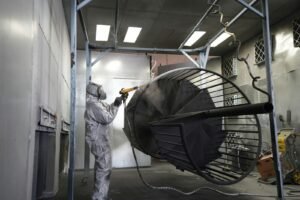
Metal (Steel, Aluminum, Stainless Steel) Excellent for modern or industrial looks. Often used for stringers and railings, sometimes with wood or glass treads.
Pros: Extremely durable, low maintenance, fire-resistant, supports heavy traffic. Cons: Can feel cold, noisy, and echoey. May need padding for comfort.
Concrete Strong and versatile. Often poured in place or used as precast elements. Can be polished, stained, or topped with other materials.
Pros: Very durable, fireproof, low maintenance, good for outdoor or high-moisture areas. Cons: Heavy, can feel cold and hard. Harder to modify later.
Glass (Tempered or Laminated) Used for treads, railings, or balustrades in contemporary designs.
Pros: Maximizes light, creates open and airy feel. Cons: Shows fingerprints and smudges easily. Higher cost and requires careful structural support.
Hybrid Combinations Many homeowners choose the best of both worlds: steel stringers with wood treads and glass or cable railings. This delivers strength plus warmth.
For budget-conscious projects, laminate or luxury vinyl plank (LVP) over sturdy bases offers realistic wood looks with better water resistance.
Cheapest staircase material options usually start with basic wood or concrete for the structure, paired with affordable composites or laminate for treads.
Best Material for Staircase Railing
Railings affect both safety and style. Common choices:
- Wood: Warm and traditional.
- Metal (wrought iron, stainless steel, cable): Sleek, strong, and modern.
- Glass: Clean and open.
- Composite: Low-maintenance alternative.
Metal railings often win for durability and code compliance. Pair them with wood handrails for comfortable grip.
How to Choose the Right Staircase Material
Follow these steps:
- Assess your needs — High traffic with kids or pets? Prioritize durability and easy cleaning. Want quiet steps? Choose wood.
- Consider your home style — Traditional homes suit warm wood. Modern or minimalist spaces shine with metal and glass.
- Evaluate budget and maintenance — Wood looks premium but needs care. Metal and concrete cost more upfront but save time later.
- Check local codes and structure — Especially important for floating or glass designs that need strong anchoring.
- Test samples in your lighting — Materials look different at home than in showrooms.
- Think long-term — Factor in resale value. Well-chosen wood or quality hybrids often add the most appeal.
In one project I advised, the owners chose oak treads on steel stringers. The stairs stayed quiet, looked elegant, and required minimal upkeep.
Step-by-Step Process for Selecting and Installing
- Measure your space accurately and consult a structural engineer if needed.
- Decide on staircase type first, then materials.
- Get multiple quotes from reputable fabricators, including prefab options for faster turnaround.
- Order large samples and live with them on your existing stairs for a few days.
- Hire experienced installers — poor installation ruins even the best materials.
- Plan for proper lighting and handrails on both sides where required.
Prefab stair systems have improved significantly and can cut costs and time compared with fully custom builds.
Comparison Table: Staircase Materials 2026
| Material | Best For | Durability | Maintenance | Noise Level | Relative Cost | Warmth/Feel |
|---|---|---|---|---|---|---|
| Wood (Oak/Maple) | Traditional & family homes | High | Medium | Low | Medium | Warm & inviting |
| Metal (Steel) | Modern & high-traffic | Excellent | Low | Higher | Medium-High | Cool & sleek |
| Concrete | Durable & outdoor | Excellent | Very Low | Medium | Medium | Solid & cool |
| Glass | Contemporary & light-filled | Good | Higher | Low | High | Open & airy |
| Hybrid (Steel + Wood) | Balanced modern homes | Excellent | Low-Medium | Low | Medium-High | Best of both |
Use this table to narrow options quickly based on your priorities.
Common Mistakes to Avoid
Ignoring code requirements for rise, run, and uniformity. Uneven stairs create trip hazards. Choosing purely for looks without thinking about daily use and cleaning. Underestimating structural needs for floating or cantilever designs. Skipping professional measurement and engineering. Forgetting that darker materials show dust and scratches more easily.
I have seen beautiful glass treads become frustrating to keep clean in homes with young children.
Advanced Tips for a Safe and Beautiful Staircase
Add recessed LED lighting under treads or along handrails for safety and drama. Consider carpet runners on wood stairs for extra quiet and grip. Use non-slip finishes on treads, especially in homes with elderly residents. Plan for future accessibility — wider stairs and gentle rise/run make aging in place easier.
In cooler climates common across Canada and parts of the EU, insulated or heated options under treads reduce cold feel.
FAQ About Staircase Materials and Design
What is the best material for a staircase? It depends on your needs. Wood offers timeless warmth for most homes. Metal or hybrids provide superior durability in high-traffic or modern settings.
What are the different types of stair materials? Main options include wood, metal (steel/aluminum), concrete, glass, stone, and various hybrids or composites.
What happens if rise and run measurements on a stairway vary? Uneven risers or treads increase fall risk. Codes limit variation to 3/8 inch maximum. Always aim for perfect uniformity.
What is the 27 rule for stairs? A comfort guideline where 2 × riser height + tread depth equals approximately 24–27 inches. It helps create stairs that feel natural to use.
What are stair treads and risers? Treads are the flat parts you step on. Risers are the vertical faces between them. Proper dimensions ensure safety and comfort.
What is the cheapest staircase material? Basic wood or concrete structures paired with laminate or composite treads usually offer the lowest upfront cost while meeting code.
What is the best material for staircase railing? Metal (especially stainless steel or cable systems) combines strength, low maintenance, and modern style. Wood handrails add comfortable grip.
Does climbing stairs lower cholesterol? Regular stair climbing is excellent cardiovascular exercise that can support heart health and help manage cholesterol as part of an active lifestyle. Always consult your doctor for personal advice.
Final Thoughts: Build Stairs That Serve Your Home Beautifully
Choosing the right staircase material is about more than aesthetics. It is about safety, daily comfort, maintenance reality, and long-term value. Whether you prefer the warmth of oak hardwood, the strength of steel, or the openness of glass, the key is matching the material to your lifestyle and local requirements.
Take time to measure, test samples, and consult professionals. A well-designed staircase becomes one of the most used — and admired — features in your home.
What type of staircase are you planning, or which material are you leaning toward? Share your project details in the comments below. I read every one and often reply with tailored suggestions.
For more practical home improvement ideas, explore our home-improvement category or discover inspiring interior design solutions that enhance everyday living.
Your stairs should feel safe, look beautiful, and last for generations. The right material choice makes that possible.