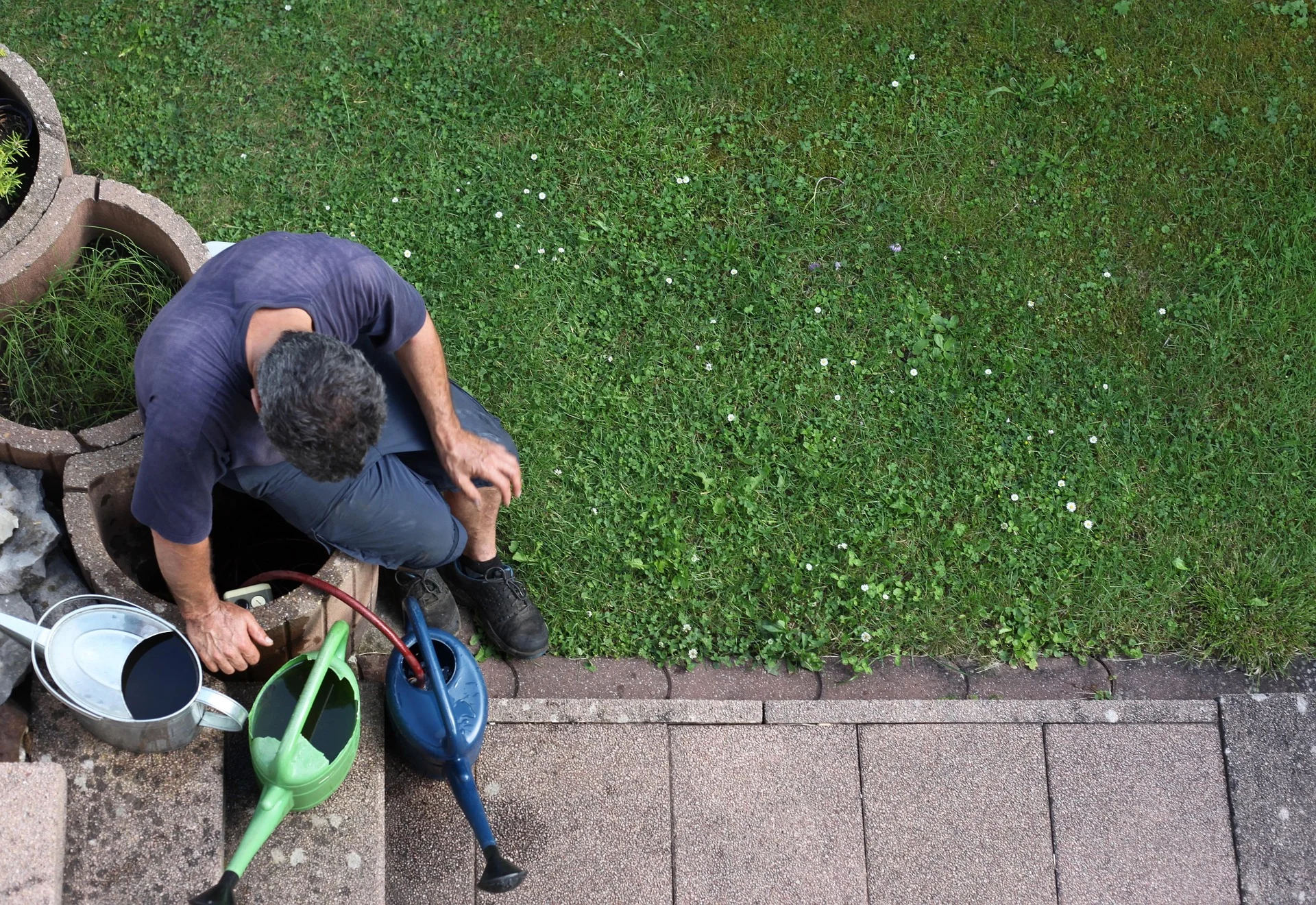
When I started my gardening journey in my backyard, I made every beginning gardener mistake possible. I planted too much, the wrong plants for my climate, and fought weeds and watered too much on the weekends. Eventually, I learned that successful cultivation is not about doing more things, but doing the right things in a smarter way. This is what Garden Advice Homenumental is all about: creating results that are monumental and lasting, through approaches that are thoughtful, practical, and sustainable.
Homenumental gardening is a blend of “home” and “monumental.” It’s about creating outdoor spaces that feel meaningful and personal, but are also manageable and environmentally responsible. In 2026, this balanced philosophy is more relevant than ever for homeowners across the US, Canada, and the EU, with growing concerns about water usage, climate shifts, and busy lifestyles.
This all-inclusive guide provides tested and true strategies, fundamental rules like the 70/30 rule, the 3-hour rule, mistakes not to make, and step-by-step advice for creating a garden that gets better with time rather than being a constant chore.
Understanding the Homenumental Gardening Philosophy
Homenumental isn’t about creating show gardens for Instagram. The focus is on creating beautiful, resilient outdoor spaces that support your lifestyle, local wildlife, and the environment. The emphasis is on quality over quantity, smart planning over constant maintenance, and options that improve with age.
Core principles include:
- Choosing plants suited to your specific microclimate
- Building healthy soil as the foundation
- Creating layers and zones for interest and function
- Prioritizing sustainability and low maintenance
The 70/30 Rule in Gardening
The 70/30 rule is one of the most useful concepts in garden advice Homenumental. This means 70% of your garden should be permanent, structural or evergreen elements (trees, shrubs, hardscaping, perennials) and 30% should be seasonal annuals, colorful accents or changeable features.
This ratio gives you a garden that has good bones and looks good year round. It cuts down seasonal replanting labour, and yields interest even in winter. In a North American or European garden, for instance, the 70% is made up of strong evergreen hedges, specimen trees and reliable perennials, and the flexible 30% of seasonal flowers and herbs.
The 3-Hour Gardening Rule
There is a practical guide: the 3-hour rule. Design and maintain your garden so that after it is established you do not need to work on it more than 3 hours a week. This calls for smarter choices, proper plant spacing, mulching, efficient irrigation and choosing low-care varieties.
Achieving this involves:
- Generous mulching to suppress weeds
- Drip irrigation or smart watering systems
- Grouping plants with similar water and light needs
- Choosing native or well-adapted plants
Step-by-Step Guide to Planning Your Homenumental Garden
1. Assess Your Space Assess sun patterns, soil type, drainage, and exposure to the wind for a few weeks. Check the pH and quality of the soil.
2. Define Your Goals Do you want a relaxing retreat, family play space, vegetable garden, or wildlife haven? Clear priorities prevent overplanting.
3. Create Zones Divide your garden into functional areas: seating, dining, play, growing and wild corners. This makes it easier to maintain.
4. Choose Plants Wisely Choose natives, those that thrive in your climate. This means in many parts of Europe and North America that the plants are hardy perennials, ornamental grasses and drought tolerant shrubs.
5. Add Hardscaping Pathways, raised beds, seating walls and patios add structure and reduce planted area to maintain
Common Mistakes to Avoid in Garden Plans
- Planting too thickly (disease and constant thinning)
- Ignoring mature plant size
- Selecting trendy plants that don’t thrive in your climate
- Skipping soil improvement
- Overwatering and over-fertilizing
- Creating high-maintenance lawns in the wrong places
Avoid these mistakes and you’ll save years of frustration and money.
Sustainable Practices for Long-Term Success
- Make compost systems for rich soil
- Use Rainwater Harvesting
- Practice companion planting
- Encourage helpful insects and birds
- Mulch generously with organic materials
These methods create self-sustaining systems that improve soil health and decrease the reliance on outside inputs over time.
Modern Tools and Technology in Gardening
Nowadays many homeowners use garden-planning apps, soil sensors and smart irrigation controllers. Technology can help, but the best results still come from regular observation of your garden and responding to its needs.
Comparison Table: Traditional vs Homenumental Gardening
| Aspect | Traditional Approach | Homenumental Approach |
|---|---|---|
| Plant Selection | Trendy & high-maintenance | Climate-adapted & sustainable |
| Maintenance Level | High (daily/weekly) | Low (3 hours/week max) |
| Design Focus | Maximum color | Structure + seasonal interest |
| Environmental Impact | Higher resource use | Low water, supports biodiversity |
| Long-Term Results | Declines without effort | Improves with time |
FAQ About Garden Advice Homenumental
What is the 70/30 rule in gardening?
For greater success in the long-term, allocate 70 percent of your garden to permanent structural plants and hardscaping, and 30 percent to seasonal, changeable elements.
What is the 3-hour gardening rule?
Design your garden to need no more than three hours a week to maintain once it’s established.
What are some common mistakes to avoid in garden plans?
Overplanting, not considering mature plant size, poor soil preparation, selecting the wrong plants, and adding high-maintenance elements.
Can ChatGPT or AI design your garden?
AI tools can provide good ideas for starting points and for what to plant, but they work best when combined with local knowledge and personal observation of your particular site.
How do I start a low-maintenance garden?
Start with soil health, right plant-right place, lots of mulching and sensible zoning.
Final Thoughts: Build a Garden You’ll Love for Decades
Garden Advice Homenumental is about creating outdoor spaces that give more than they take. By applying smart principles, avoiding common mistakes and focusing on sustainability you can build a garden that gets more beautiful and easier to maintain every passing year.
Start small, watch carefully, build slowly. The best gardens are the ones that grow along with you and your family.
What’s your biggest gardening challenge at the moment or what area of your outdoor space would you love to improve? Drop a comment below – I read every single one and often reply with specific, practical suggestions for your situation.
For more practical outdoor living and home improvement ideas, explore our garden outdoor category.
According to leading horticultural experts at the Royal Horticultural Society, focusing on the right plant selection and soil health delivers the biggest improvements in garden success and reduced maintenance.