Introduction: When One More Room Changes Everything
A few years ago, a homeowner told me something brutally honest:
“We don’t hate our house. We’ve just outgrown it.”
That sentence explains why room additions are booming right now.
People don’t want to move. They don’t want the stress, cost, or uncertainty. What they really want is simple:
- More space
- Better functionality
- A home that fits their life again
But here’s the catch…
Most room additions fail before they even begin. Not because of bad construction, but because of bad planning.
This guide is different. You’ll learn what actually works, what to avoid, and how to make a room addition that feels like the best decision you’ve ever made.
What Are Room Additions (And Why They Matter Today)?
Room additions are extensions built onto your existing home to create more usable space.
That sounds obvious. But the real value goes deeper.
A well-planned addition can:
- Completely change how your home feels
- Improve daily comfort
- Increase resale value significantly
And here’s something most people overlook…
A room addition is not just about space. It’s about solving a problem.
The First Question You Must Answer Before Buildin
Before you think about cost, design, or size, ask this:
Why do you need this room?
Because every successful project starts with purpose.
Common reasons people build room additions:
- A growing family needs another bedroom
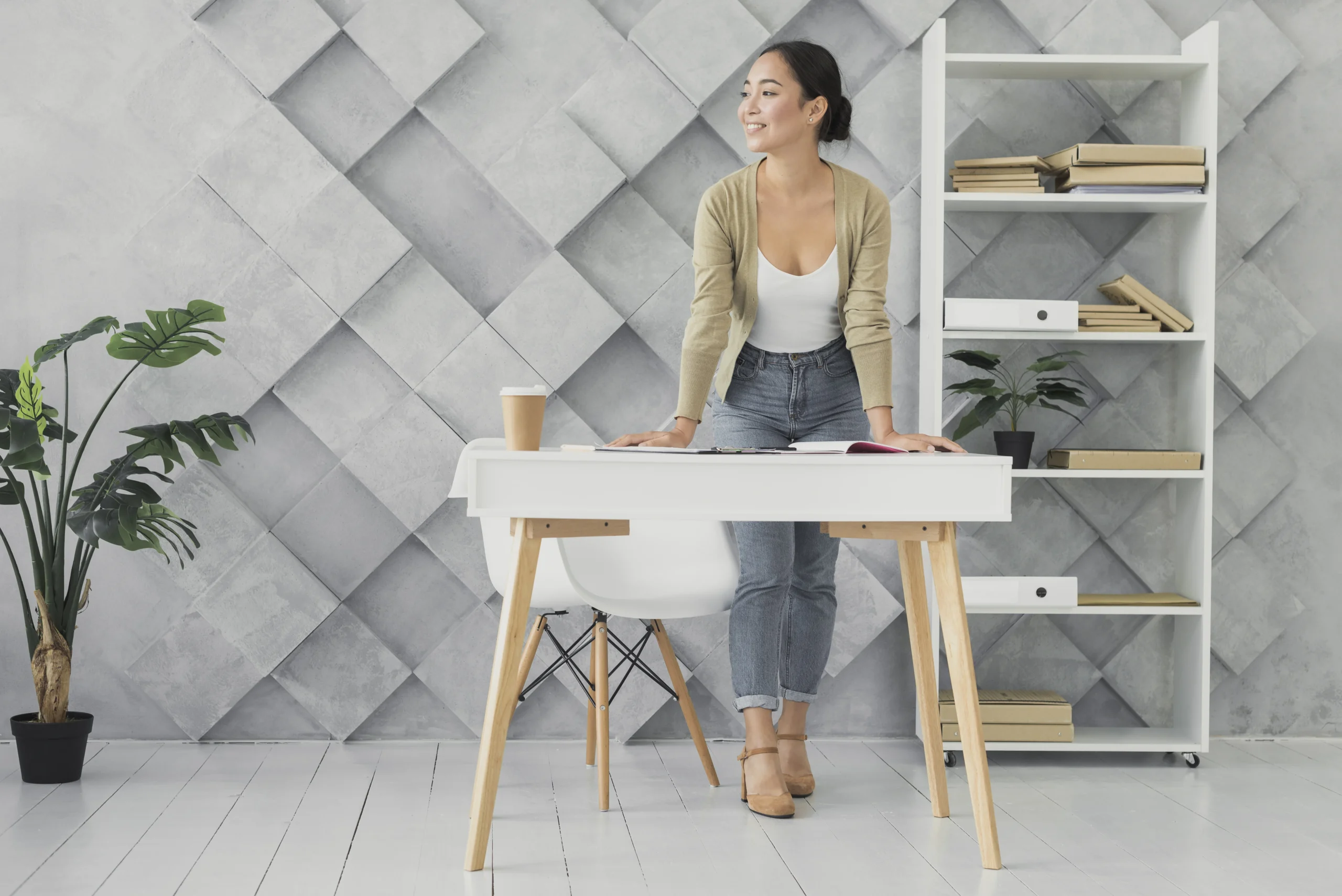
- Remote work requires a dedicated office
- Living areas feel too tight
- Guests have no comfortable space
If your reason is unclear, your result will be too.
Room Addition Ideas That Actually Work in Real Homes


Let’s move beyond generic ideas. These are the additions that consistently deliver real results.
1. Living Room Extensions That Open Everything Up
This is one of the most transformative upgrades you can make.
Why?
Because it affects how your entire home feels.
A cramped living room limits everything. Relaxing, hosting, even moving around.
What works best:
- Open layouts connected to the kitchen
- Large windows or sliding glass doors
- Consistent flooring between old and new space
The goal is simple: make the addition feel like it was always there.
2. Bedroom Additions That Increase Value
Adding a bedroom is one of the safest investments you can make.
It’s not just about comfort. It’s about resale.
Homes with more bedrooms:
- Attract more buyers
- Command higher prices
- Offer flexibility for future use
Pro tip:
Even a modest bedroom addition can outperform expensive cosmetic upgrades.
3. Home Office Additions That Reflect Modern Living
Let’s be honest.
Working from the dining table is not a long-term solution.
A dedicated office gives you:
- Focus
- Privacy
- Productivity
And it doesn’t need to be huge.
What matters:
- Natural light
- Quiet environment
- Smart storage
4. Small Room Additions That Punch Above Their Size


Here’s something people underestimate…
Small additions often deliver the biggest impact.
Why?
Because they solve very specific problems.
A small addition can:
- Create a guest space
- Add a reading room
- Serve as a compact office
And because it’s smaller, it’s easier to manage financially.
5. Prefab Room Additions: Fast and Predictable
Prefab additions are becoming more popular for a reason.
They offer:
- Faster construction timelines
- Controlled costs
- Less disruption to your home
But there’s a trade-off.
You sacrifice some customization.
For many homeowners, that’s worth it.
Room Additions Before and After: What Really Changes


6
People often focus on the visual transformation.
But the real change is deeper.
Before:
- Rooms feel crowded
- Storage is limited
- Daily routines feel restricted
After:
- Movement feels easier
- Spaces feel intentional
- Your home works with you, not against you
That’s the difference between adding space and improving life.
Room Additions Cost: What You Need to Know
Let’s talk about the part everyone worries about.
Cost.
There’s no single number. But there are clear patterns.
What drives cost the most:
- Size of the addition
- Structural complexity
- Materials used
- Electrical and plumbing work
Here’s the insight most people miss…
Complexity matters more than size.
A simple square room is cheaper than a custom-designed space with multiple systems.
How to Plan Room Additions Without Regret
Planning is where most projects succeed or fail.
A simple but effective process:
- Define the purpose clearly
- Set a realistic budget
- Check local regulations
- Work with professionals early
- Plan for unexpected costs
The biggest mistake?
Starting construction too soon.
Take time to think. It saves money later.
The Cheapest Way to Build a Room Addition
Everyone wants to save money. But cutting corners is not the answer.
Smart savings come from smart decisions.
Ways to reduce cost without sacrificing quality:
- Keep the design simple
- Avoid moving plumbing lines
- Use standard materials
- Build on an existing structure
Best mindset:
Focus on function first. Improve aesthetics later.
What Room Additions Add the Most Value
Not all additions are equal.
If your goal is return on investment, focus here:
Top value-adding additions:
- Extra bedroom
- Expanded living space
- Additional bathroom
- Functional office
What to avoid:
- Overly specialized rooms
- Designs that don’t match the house
Think like a future buyer, even if you’re staying.
When Room Additions Are NOT the Right Choice
Here’s a truth most guides avoid.
Sometimes, adding a room is the wrong move.
Avoid it if:
- Your current layout is inefficient
- The cost exceeds potential value
- Structural changes are too complex
In many cases, optimizing your existing space is smarter.
Before building, read this guide:
https://homenarratives.com/how-to-use-space-effectively-in-a-home/
You might solve your problem without construction.
Expert Insight: Lessons From Real Projects
After seeing multiple projects, patterns become clear.
People regret:
- Building too large
- Ignoring flow between rooms
- Rushing decisions
But they never regret:
- Adding natural light
- Creating flexible spaces
- Planning properly
That tells you everything.
FAQs: Room Additions
How much would a 20×20 room addition cost?
Costs vary widely based on design and materials. Larger additions require more structural work and finishing.
How much does a 12×12 room addition cost?
Smaller additions are more affordable but still depend on foundation, electrical, and interior work.
What is the cheapest way to build a room addition?
Keep the structure simple, avoid plumbing changes, and use standard materials.
What adds $100,000 to your house?
Major upgrades like additional bedrooms, modern kitchens, and expanded living spaces can significantly increase value.
Conclusion: Build Space That Actually Works
At the end of the day, room additions are not about square footage.
They’re about how your home supports your life.
If you do it right:
- Your home feels new again
- Your daily routine improves
- Your investment pays off
But if you rush it…
It becomes an expensive mistake.
So take your time. Plan carefully.
And ask yourself one final question:
Are you adding space… or creating a better way to live?